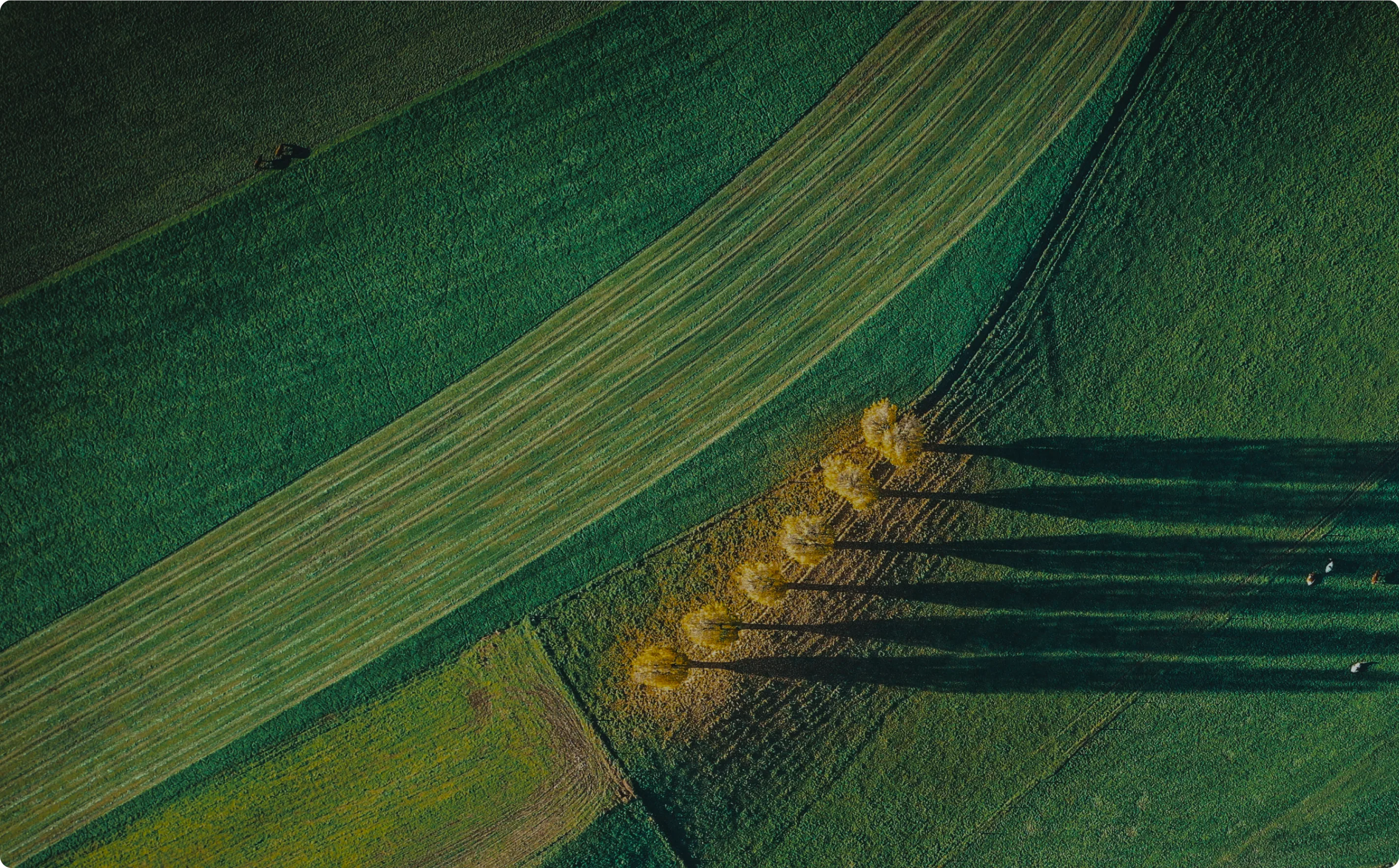
Striped green fields seen from above, a row of trees casting long shadows at dusk

The next generation of biocontrols has already evolved.

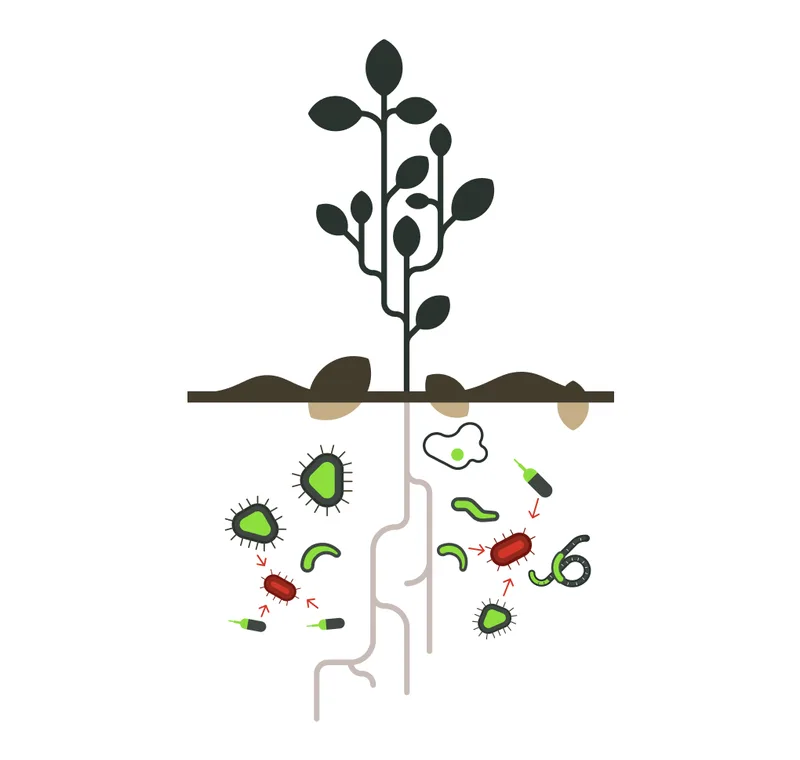
We find them in disease-suppressive soils, reconstruct their genomes and mine them for new ways to control crop pathogens.

THE PROBLEM

20–30% of major crop production is lost to pests and pathogens each year.

Source: Savary et al., Nature Ecology & Evolution, 2019.

Crop protection needs new modes of action.

Resistance is rising. Established active ingredients are being withdrawn. New solutions are not arriving fast enough.

Source: Pest Management Science, DOI 10.1002/ps.70522

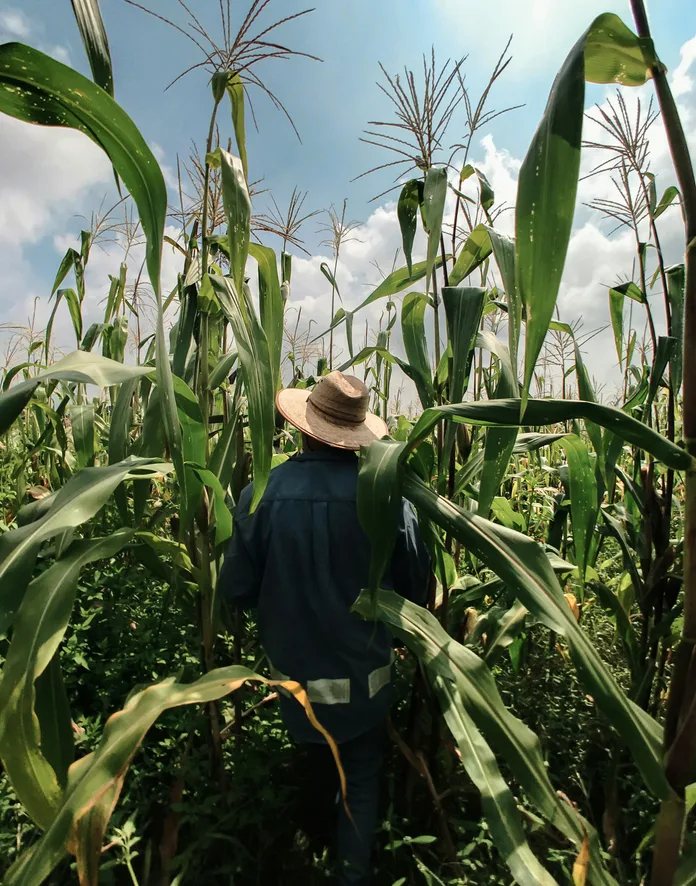
A farmer walking between tall rows of ripening cerealFUSARIUM HEAD BLIGH

Wheat

$2.9B

estimated loss

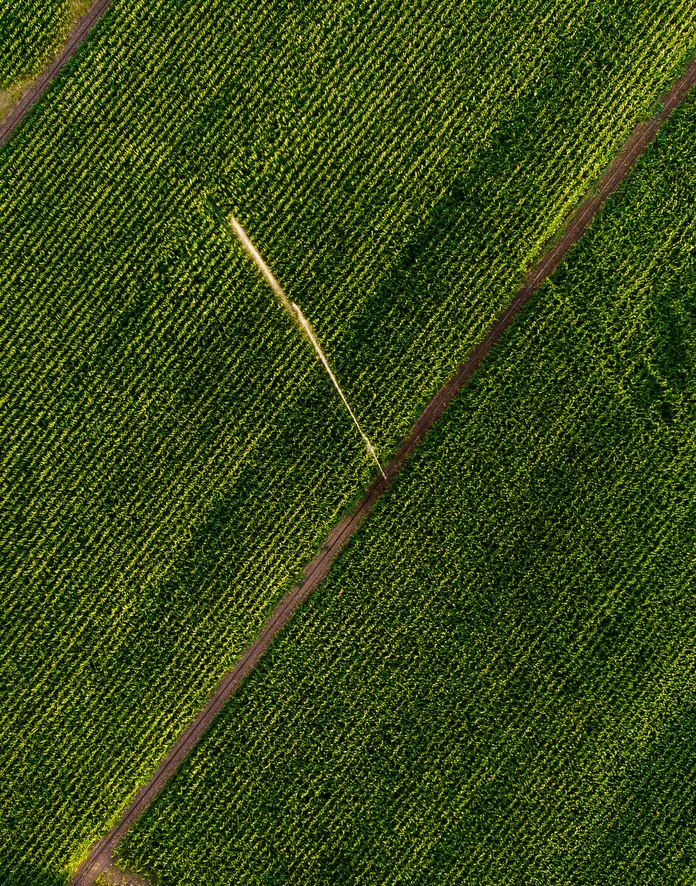
Rows of soybean plants seen from above, one track running through themSoybean rust

Soybean

>$2B

annual impact

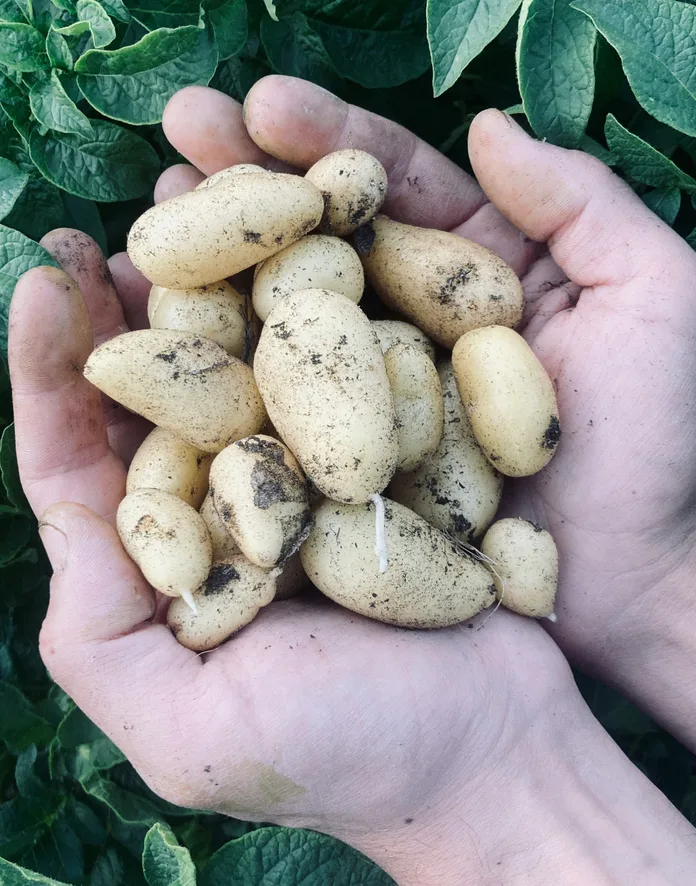
Two hands holding freshly dug potatoesLate blight

Potato

~$6.1B

annual impact

A farmer in a straw hat planting rice by handRice blast

Rice

>$2B

annual impact

For us, One Health starts in the soil. We start with healthier crops and soils, but our vision reaches across plants, animals, people and the environment.

Pipeline
Field evidence identifies the microbial taxa associated with disease suppression.
THE MODEL

LOAM is the foundation of this unique pipeline.

A family of genomic language models (gLMs) trained on the DNA of soil microbial communities. Trained on hundreds of billions of tokens drawn from thousands of metagenomes, with a context window built to capture long-range biological interactions and compute scaled to match.

Deep Learning
A strand of DNA drawn as a cloud of green points
Read the DNA and map the biological diversity within microbial communities.

Interpret genomes

Infer what genes and biological systems do.

Find antimicrobials

Identify peptides and proteins that may inhibit pathogens.

Rank candidates

Prioritise the most promising sequences.

Design actives

Generate and optimise sequences for a target activity.

BENCHMARK

Consistent gains across benchmarks

All models were trained on the same corpus and setup. As model size increases, performance improves across all three benchmarks.

We change one letter of a bacterial gene and test whether the model's surprise at the change tracks its measured effect on the organism.


macro Spearman0.000.050.100.150.200.250.300.3520M50M100M200M500M1B7BProkBERT-mini, 0.114ProkBERT-mini-c, 0.130LOAM-25M, 0.133LOAM-100M, 0.203NTv3-100M, 0.107GenomeOcean-100M, 0.172gLM2-150M, 0.065LOAM-340M, 0.271GenomeOcean-500M, 0.248LOAM-624M, 0.318gLM2-650M, 0.096Evo 1.5 (8k, 7B), 0.318Evo2-7B (residual stream), 0.342
  • LOAM-25M
  • LOAM-100M
  • LOAM-340M
  • LOAM-624M
  • Other models
Benchmark scores for thirteen genomic language models against model parameter count
PARTNERS
  • Google
  • NVIDIA
  • University of Hamburg
  • Illumina
  • Oxford Nanopore
  • EuroHPC
  • LuxProvide
Updates
CONTACT US

Let’s work together.

Interested in partnering with us or following the development of our bioassets work? Get in touch or sign up for updates.

What is it about?

We use these details only to answer your enquiry. See our privacy notice.