Method notes
How we measure soil, and why the method decides what you can conclude.
 Method note
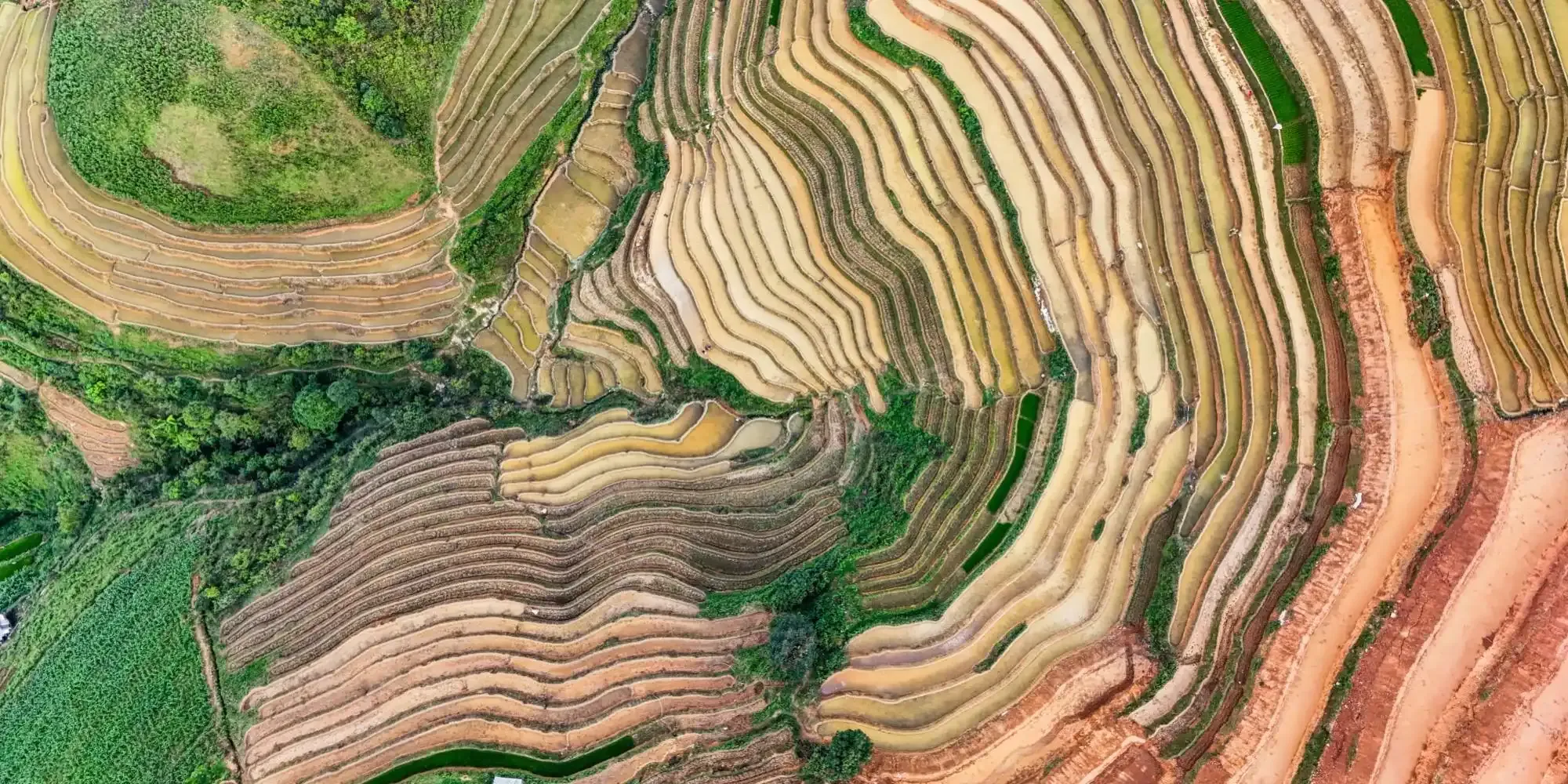
Why we read soil in four layers
Dr. Matthias Schaks · 8 October 2026
Three layers come from the soil sample; the fourth, landscape, is read from the site.
 Method note
From genus to species: why full ITS beats ITS1
Dr. Matthias Schaks · 20 August 2026
Extended-read sequencing now covers the whole fungal ITS region, about 1,000 base pairs.
 Method note
"But you're also measuring dead DNA, right?" Yes, and here's why that's not a flaw.
Dr. Matthias Schaks · 13 August 2026
Relic DNA can inflate apparent richness by up to 55%, and it also records the recent past.
 Method note
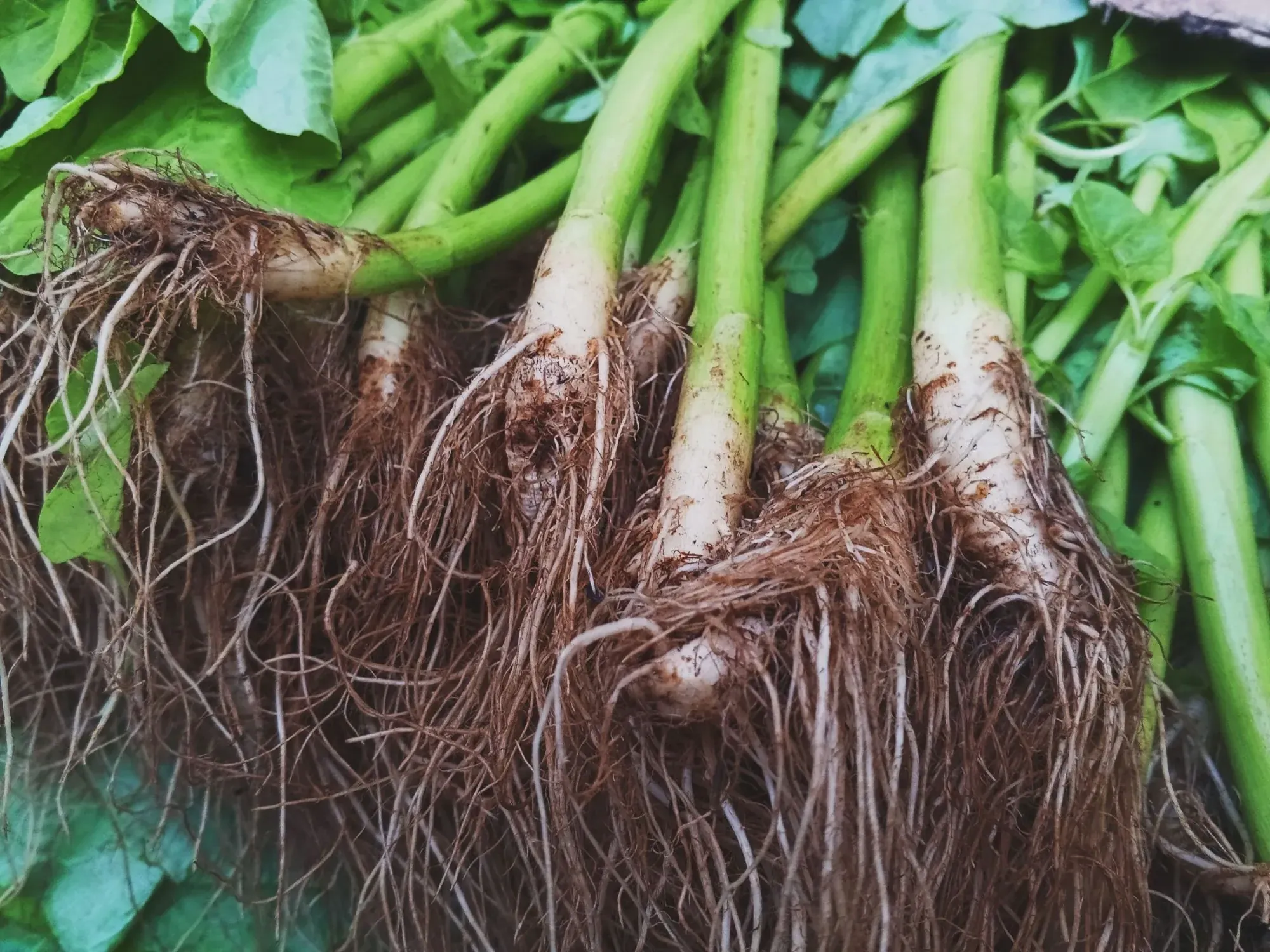
Nematode pests: detect them before they cost you
Dr. Matthias Schaks · 16 July 2026
Plant-parasitic nematodes cost an estimated €80–100 billion a year, mostly before symptoms show.
 Method note
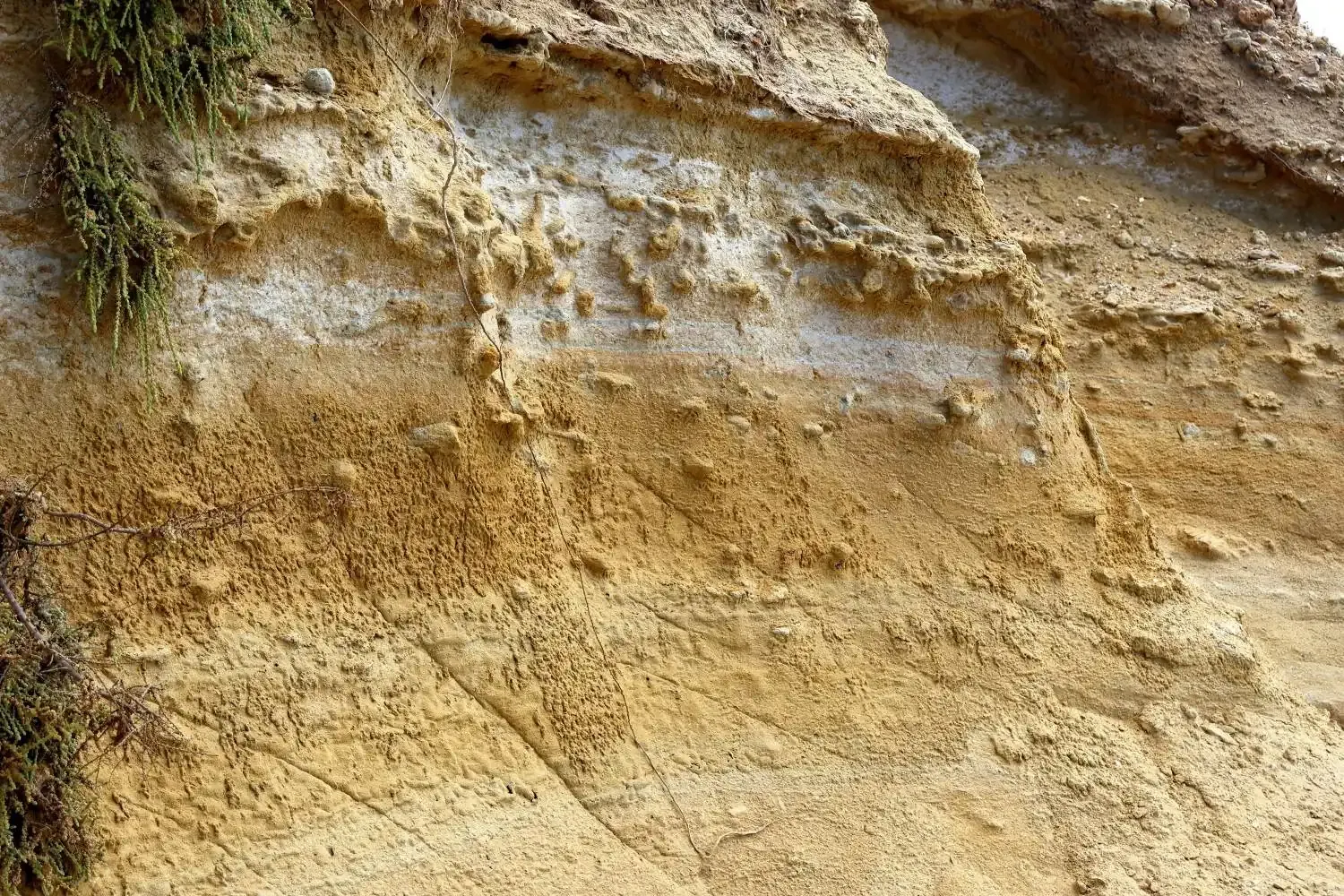
Oomycota are not fungi, and that mistake is costing you data
Dr. Franziska Böwer · 25 June 2026
Clubroot costs oilseed rape up to 60% of its yield, and 16S and ITS sequencing miss it.
 Method note
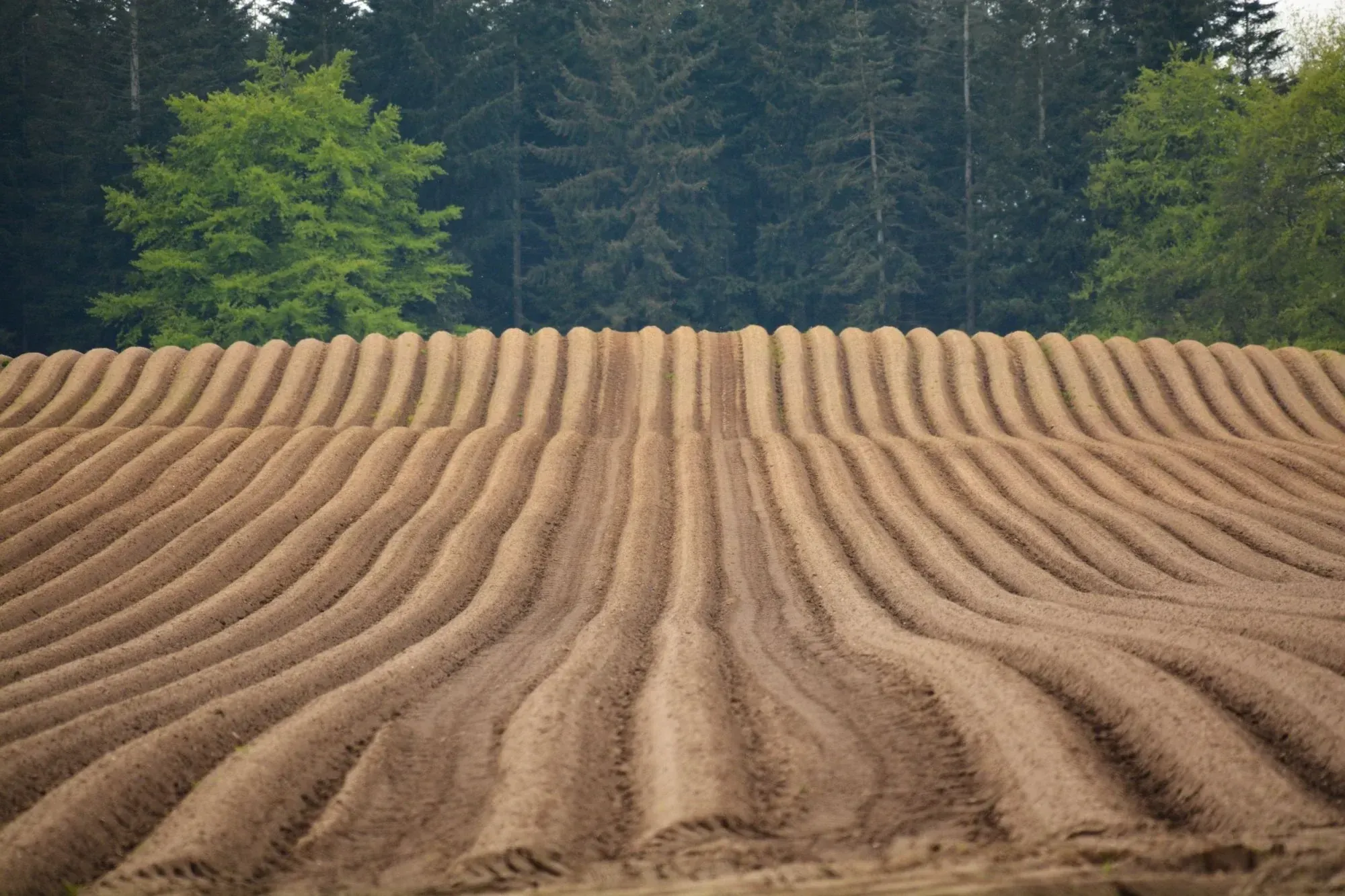
Soil texture is not a background variable. It is a confounder.
Dr. Franziska Böwer · 16 June 2026
Clay and sand give microbes different pores, water and oxygen, so texture skews any comparison.
 Method note
A triage framework for soil health analysis
Soilytix · 15 October 2025
Test chemistry across 50 fields and it may explain 45; the other five need a deeper, costlier look.